Why Mortar Repair Matters
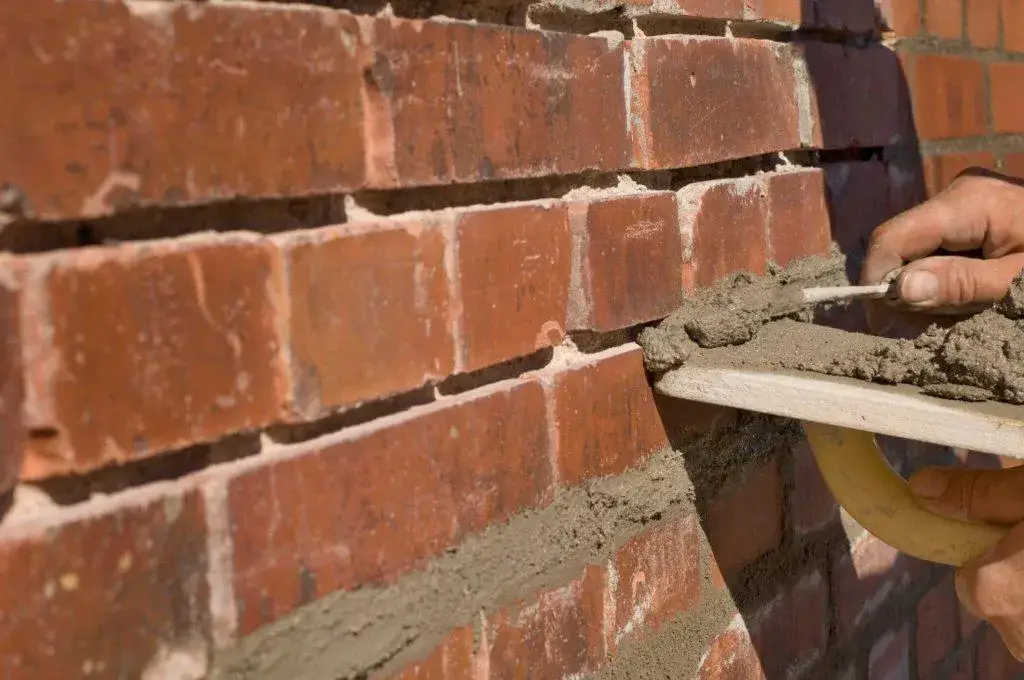
Brick is strong, but it relies on the mortar joints around it. When those joints fail, water gets inside the wall or chimney. Over time, that can lead to water damage, crumbling brick, and larger masonry repair.
Tuckpointing helps restore the appearance of the property and protect the brick from the elements. It can also improve curb appeal because clean mortar lines make old brick look sharper without replacing the entire structure.
Matching Mortar the Right Way
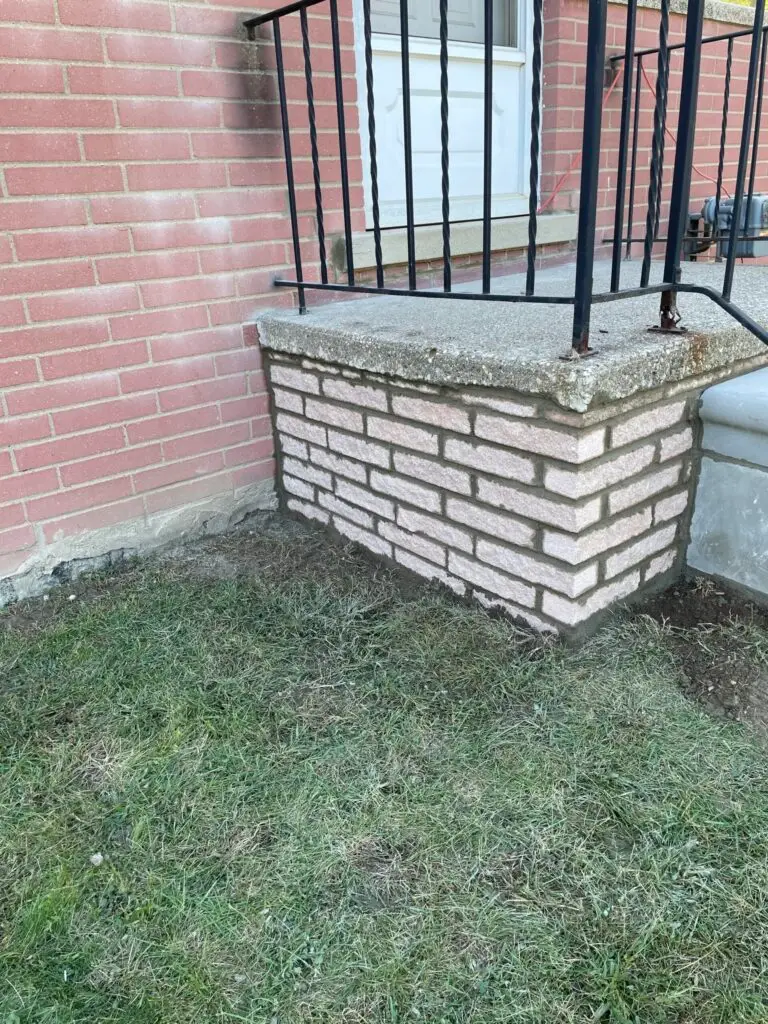
Good tuckpointing is not just filling gaps. The contractor has to remove damaged mortar to the right depth, match the mortar color and hardness, then create a clean line that fits the existing brick.
Older Detroit homes may need softer mortar than newer construction. Using the wrong materials can cause more damage. This is where experience, training, and detail matter.
Chimney Tuckpointing & Masonry Repair
Chimney repair often includes tuckpointing because the chimney takes more weather exposure than most parts of the home. Cracked mortar can let water enter the chimney system and continue working its way down.
Lovell Masonry can look at the chimney, explain the repair, and provide solutions that fit the damage. The inspection should focus on the mortar, brick, cap area, and visible signs of moisture.
Cost, Timing & Estimates
Tuckpointing cost depends on the size of the area, access, height, brick condition, and how much mortar needs to be removed. A small porch repair will not cost the same as a larger chimney or full wall repair.
Spring and fall are often better times to schedule tuckpointing because mortar should not be applied in freezing or extremely hot conditions. Lovell Masonry offers clear estimates so customers can understand the project before moving forward.
Choosing a Tuckpointing Contractor
Before hiring any masonry contractor, check that the company is licensed, review Google photos or project examples, and ask how the team will match the mortar. A good estimate should explain the repair process, materials, cost, and site needs.
You should not need confusing directions or vague next steps to get help. Contact the business, describe the damage, and ask what comes next. A reliable owner or team should hear the issue and respond clearly.